
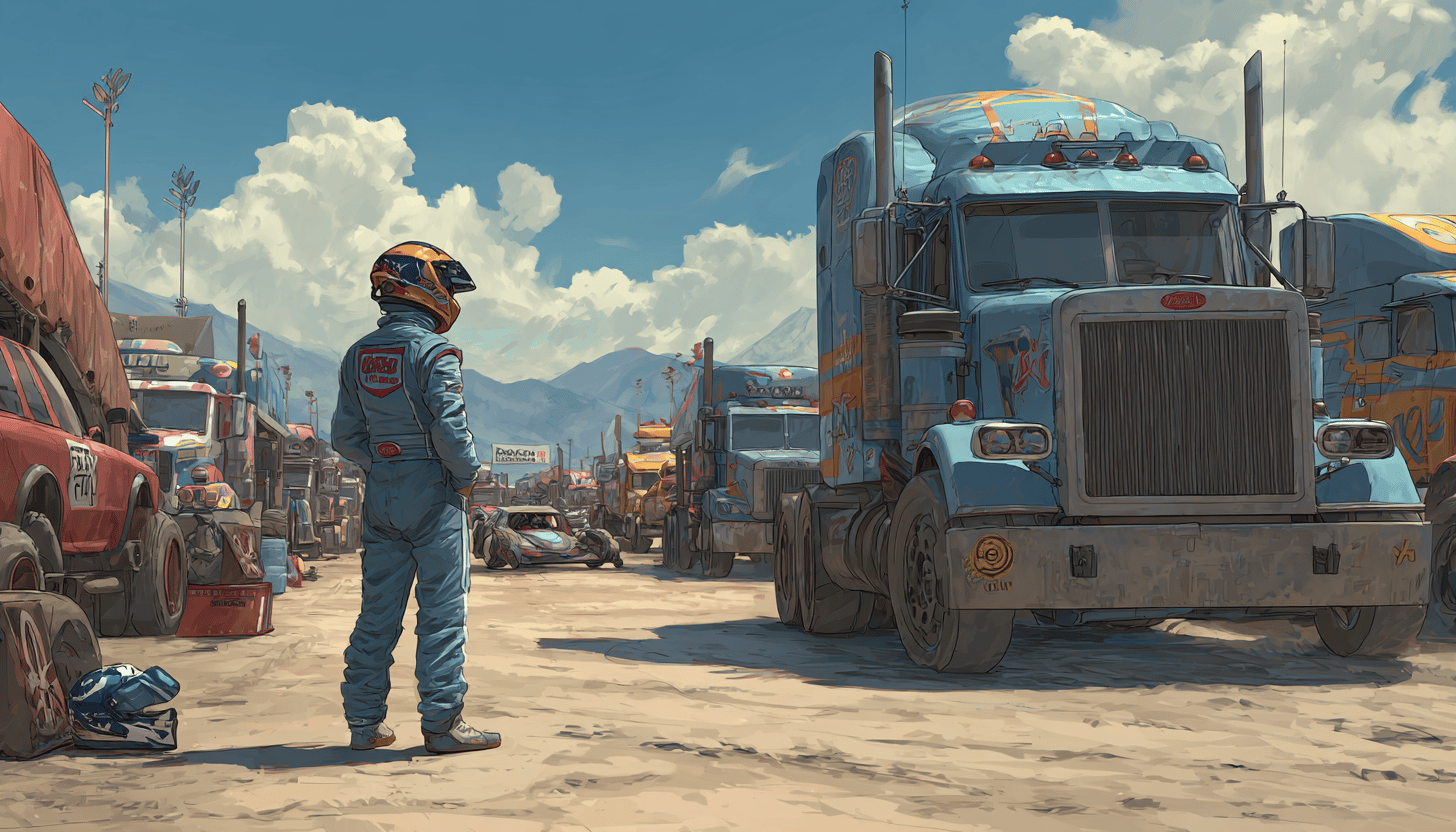
What happens when a Formula 1 driver hauls a heavy trailer?
Imagine a race car driver blazing through corners at breakneck speeds. Now, picture that same driver suddenly asked to haul a massive trailer across the country. No matter how impressive the race car driver is on the track, the skill set required for hauling a heavy truck is vastly different. Leadership, like driving, requires different skills beyond excelling in your current role.
We’ve all seen it in our careers: the best individual contributors are often promoted, under the assumption that their performance in one role will automatically translate into effective leadership. Just as a Formula One driver shouldn’t suddenly be handed a trailer without the proper training or aptitude, the same logic applies to leadership roles. Simply excelling as the fastest on track doesn’t guarantee that one can command a convoy of trucks or manage a bustling team.
When companies promote based only on current outputs, they risk placing proficient individuals in roles where the pressures and responsibilities strip away the ability to deliver their best work. Leadership requires a whole new playbook, one that involves nurturing team morale, strategic planning, and managing accountability—skills that aren’t honed solely through individual achievement.
This isn’t to say that great individual contributors cannot evolve into effective leaders. With the right guidance, mentorship, and development opportunities, they too can learn the new skills necessary for success at the helm. The key is in recognizing that the transition from individual excellence to leadership excellence is complex and cannot be achieved merely through the repurposing of past performance.
Success in one arena isn’t a one-size-fits-all ticket to another. Advancing in any career is about understanding the unique demands of each role and developing the specialized skills that leadership truly demands.
I’ll be back with more next week.
Stay tuned.
Razak
CommonInterest
 C o m m o n. I n t e r e s t.